
How to Remove PFAS from Drinking Water: A Practical Guide
Which home filters actually reduce PFAS forever chemicals? Compare activated carbon, reverse osmosis and ion exchange for safer tap water.
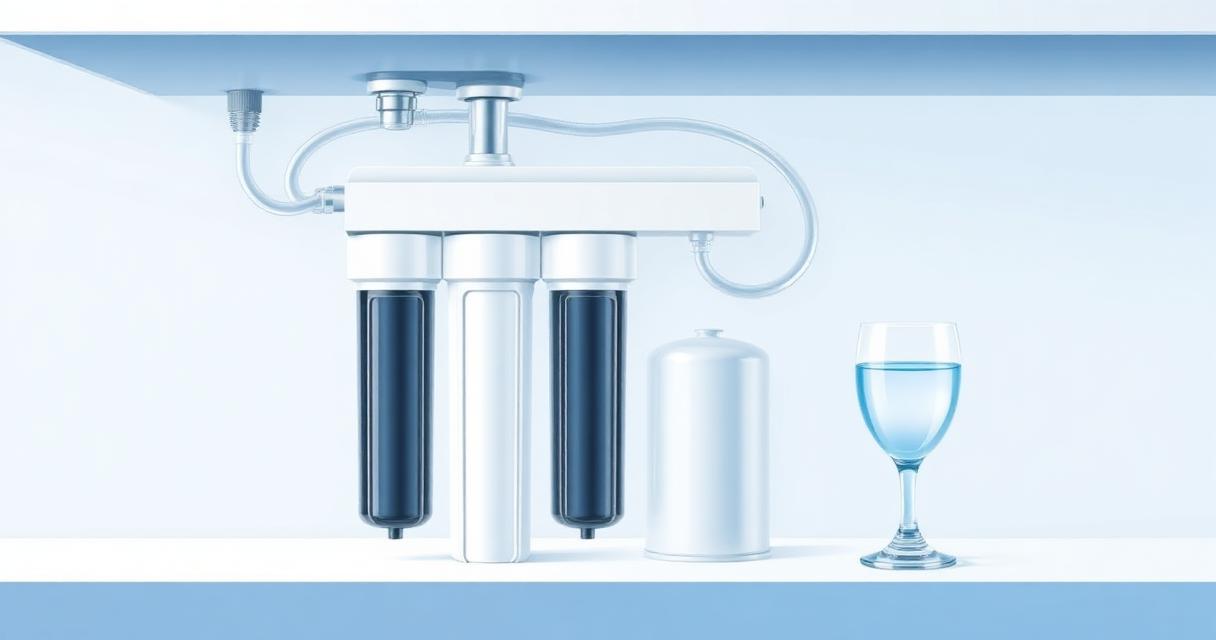
PFAS, the so called forever chemicals, are turning up in drinking water across Europe, North America and Australia. They do not break down naturally and standard municipal treatment removes very little. The good news: three household technologies have been shown to reliably reduce PFAS at the tap. This guide compares them, with realistic expectations, costs and installation notes.
What are PFAS and why boiling does not work
Per and polyfluoroalkyl substances are a family of more than 12,000 industrial chemicals used in non stick coatings, firefighting foam, food packaging and textiles. They are extremely stable, water soluble and bioaccumulate in blood and organs. The US EPA set legally enforceable limits for six PFAS in 2024 (4 parts per trillion for PFOA and PFOS). The EU Drinking Water Directive limits the sum of 20 PFAS to 100 ng per litre from 2026.
Boiling water concentrates PFAS instead of removing them. UV, softeners and standard sediment filters also do nothing. You need a filter that physically captures the molecule.
The three technologies that actually work
1. Granular activated carbon (GAC)
Activated carbon adsorbs long chain PFAS (PFOA, PFOS, GenX) reasonably well, typically 60 to 90 percent when the filter is fresh. Short chain PFAS such as PFBA and PFBS break through much faster. GAC is the cheapest option and the easiest to retrofit: any NSF/ANSI 53 certified carbon block pitcher or under sink cartridge will help.
- Cost: 30 to 200 EUR upfront, cartridge replacements every 3 to 6 months.
- Best for: renters, low PFAS levels, budget conscious households.
- Limitation: performance drops sharply once the carbon is saturated. Replace on schedule, not when taste changes.
2. Reverse osmosis (RO)
Reverse osmosis pushes water through a semi permeable membrane that blocks more than 95 percent of both long and short chain PFAS. It is the most reliable point of use option and also removes nitrate, lead, arsenic and microplastics.
- Cost: 200 to 600 EUR for an under sink system, plus 60 to 120 EUR per year in filters.
- Best for: high PFAS levels, families with infants, well water.
- Limitation: wastes 2 to 4 litres of concentrate per litre of drinking water on older units. Modern tankless RO systems cut this to about 1 to 1.
3. Ion exchange resins
Purpose designed anion exchange resins bind PFAS very tightly and handle short chain compounds better than carbon. They are common in whole house PFAS systems and are increasingly available as cartridges.
- Cost: 400 to 1500 EUR for a whole house unit.
- Best for: contaminated well water, entire home protection.
- Limitation: spent resin must be disposed of as hazardous waste in some jurisdictions.
Which certification to look for
Do not trust marketing language such as "reduces PFAS". Look for one of these third party certifications on the packaging:
- NSF/ANSI 53 for PFOA and PFOS reduction (activated carbon).
- NSF/ANSI 58 for reverse osmosis systems, including PFOA/PFOS claims.
- NSF/ANSI 401 covers additional emerging contaminants.
An uncertified "carbon filter" from a marketplace is a coin flip.
Step by step: choosing your filter
- Check your utility's latest water quality report for PFAS results. In the US, search the EWG Tap Water Database. In Germany, ask your Wasserversorger directly.
- If PFAS are below 20 ng per litre total, a certified activated carbon pitcher or under sink cartridge is usually sufficient.
- If PFAS exceed the new EU or EPA limits, install reverse osmosis at the kitchen tap.
- If you draw from a private well in an industrial or agricultural area, test annually and consider a whole house ion exchange system.
- Set a calendar reminder for cartridge changes. A saturated filter can release captured PFAS back into your water.
What does not help
- Bottled water: many brands contain measurable PFAS, and plastic bottles add microplastics.
- Freezing, distilling small volumes at home, or letting water sit overnight.
- "Alkaline" or "structured" water gadgets.
- Standard Brita style pitchers without NSF 53 certification for PFOA/PFOS.
Stay informed
Watereport tracks boil water notices, chemical contamination alerts and limit exceedances across 14 countries. Subscribe to alerts for your region so you know within hours when your utility issues a warning.
Related reading: our overview of PFAS in drinking water explains the health science and regulatory landscape in more depth. For a broader look at at home treatment, see our household water filter guide.