How to Test Tap Water at Home: Kits and Lab Methods
Learn how to test tap water at home using DIY kits or lab services. Understand pH, lead, and nitrates to ensure your drinking water is safe for use.
How to Test Tap Water at Home: A Comprehensive Guide
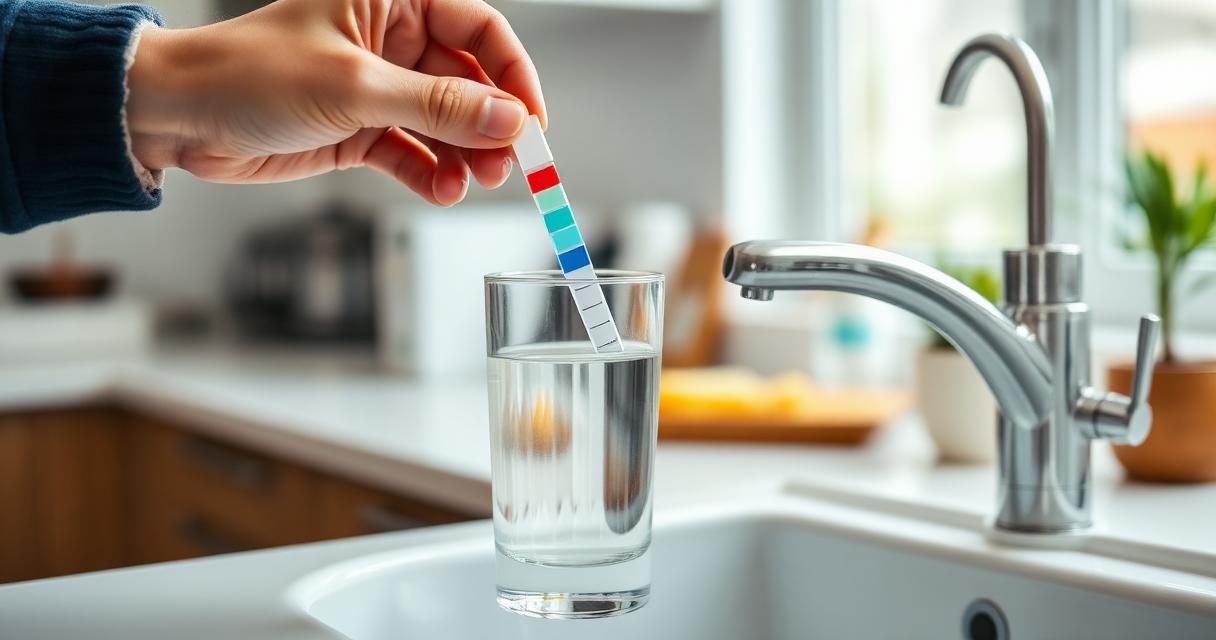
 Test strips give a quick snapshot but do not replace a certified lab analysis.
Understanding what is in your drinking water is a fundamental part of household safety. While municipal water suppliers are required to meet strict safety standards, the journey from the treatment plant to your faucet can introduce various changes. Aging pipes, local plumbing issues, or environmental runoff can alter the composition of your water. This guide explores the different methods available for testing your water, from simple DIY strips to professional laboratory analysis.
Why You Should Test Your Water
Public utilities provide high quality water, but they cannot account for the specific conditions of your home's internal plumbing. Lead pipes in older buildings or copper leaching can contaminate water after it leaves the main line. Furthermore, those using private wells are entirely responsible for their own testing, as these sources are not regulated by the EPA.
Regular testing helps you identify changes in mineral content, acidity, or the presence of harmful chemicals. It is also helpful to stay informed about local infrastructure issues. You can check the live overview on Watereport to see if there are active issues in your area, or sign up for email alerts for your region to stay updated on sudden changes.
DIY Home Testing Kits
Most homeowners start with a DIY home testing kit. These are widely available and provide immediate results. They generally fall into two categories: test strips and colorimetric kits.
Using Test Strips
Test strips are small pieces of paper treated with chemical reagents. When dipped into a water sample, they change color based on the concentration of specific substances. You then compare the color of the strip to a provided chart. These are excellent for measuring:
- pH Levels: Indicates if your water is acidic or alkaline. Neutral water is 7.0. Acidic water (below 6.5) can corrode metal pipes.
- Water Hardness: Measures calcium and magnesium levels. High hardness causes scale buildup in appliances.
- Chlorine: Used by utilities to disinfect water. High levels can affect taste and smell.
- Nitrates and Nitrites: Often found in rural areas due to fertilizer runoff. High levels are particularly dangerous for infants.
Colorimetric Liquid Kits
These kits involve adding a liquid reagent to a vial of water. The water changes color, and you compare it to a plastic color comparator. These are often more accurate than strips for measuring chlorine and pH but are slightly more complex to use.
What Home Kits Cannot Detect
It is important to be realistic about DIY kits. While they are useful for routine monitoring, they have significant limitations. Most home kits cannot accurately detect low levels of heavy metals like lead or arsenic. They also rarely test for complex organic compounds, pesticides, or specific bacteria like E. coli.
If you suspect a serious issue, such as a sudden change in clarity or smell, you should consult a boil-water notice guide and FAQ or look for professional help. Home kits are a screening tool, not a definitive health diagnostic.
When to Use a Certified Laboratory
For a truly accurate assessment of your water quality, a state-certified laboratory is necessary. This is the only way to get precise parts-per-billion (ppb) readings for contaminants. You should consider professional lab testing if:
- You have a private well (test annually for bacteria and nitrates).
- You live in a home built before 1986 (potential lead pipes).
- There is a known local contamination event.
- You notice persistent staining on laundry or fixtures.
To find a lab, you can visit the EPA website for a list of certified drinking water laboratories. The lab will provide a sterile container and specific instructions on how to collect the sample to avoid cross-contamination.
Reading Your Annual Water Quality Report
If you are on a public water system, you do not always need to test the water yourself to understand the baseline quality. Every year, utilities must provide a Consumer Confidence Report (CCR). This document lists the levels of regulated contaminants detected in the water and how they compare to the EPA's legal limits.
When reading your CCR, look for the "Action Level" (AL) and the "Maximum Contaminant Level" (MCL). If your utility reports levels below these markers, the water is considered safe by federal standards. However, remember that the CCR reflects the water quality at the treatment plant or in the distribution mains, not necessarily at your kitchen sink.
How to Spot Potential Problems
Before you even reach for a test kit, your senses can provide the first clues. Knowing how to spot drinking water contamination through smell, sight, and taste is a valuable skill.
- Rotten egg smell: Often indicates hydrogen sulfide gas, common in groundwater.
- Metallic taste: May suggest high levels of iron, manganese, or zinc, or leaching from old pipes.
- Blue-green stains: Usually a sign of copper corrosion caused by acidic water.
- Cloudiness: Can be harmless air bubbles or a sign of high turbidity (suspended particles).
Interpreting Your Results
Once you have your results, whether from a strip or a lab, you must interpret them based on health guidelines. The World Health Organization (WHO) provides international benchmarks for water safety.
If your pH is low, you might need a neutralizing filter to protect your plumbing. If nitrates are high, you may need a reverse osmosis system. If lead is detected, even at low levels, it is often recommended to use a filter certified for lead removal or to replace the offending plumbing fixtures.
Summary of Testing Steps
To maintain a safe water supply, follow this simple routine:
- Check the Map: Regularly view the live map of drinking water alerts to see if there are any active warnings for your zip code.
- Annual DIY Check: Use a multi-parameter test strip once a year to monitor pH and hardness.
- Review the CCR: Read the annual report sent by your water utility.
- Lab Test when Necessary: Invest in a professional lab test if you have a well, old pipes, or if a DIY kit shows a concerning result.
Testing your water at home provides peace of mind and allows you to make informed decisions about water filtration and plumbing maintenance. While DIY kits are a great first step, they are part of a broader strategy that includes professional analysis and staying informed about local water infrastructure.