PFAS in Drinking Water: Health Risks and Filter Solutions
Learn about PFAS in drinking water, current safety limits in the US and EU, and which household filtration systems effectively remove these forever chemicals.
PFAS in Drinking Water: Health Risks and Filter Solutions
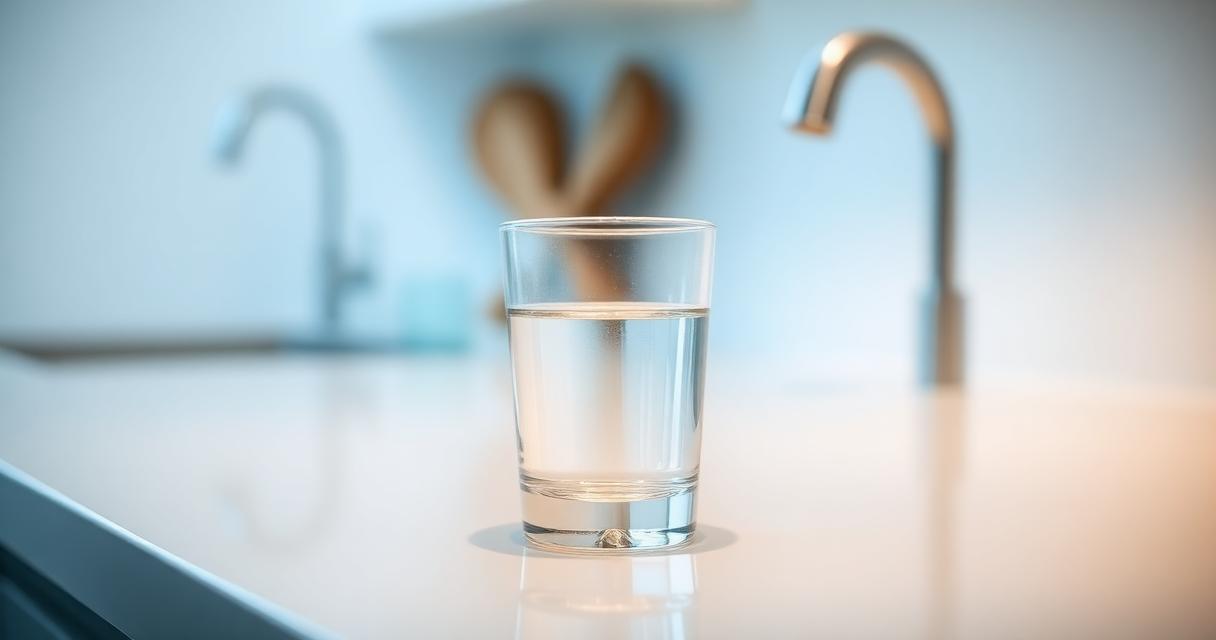
 A glass of tap water — PFAS are invisible, tasteless and odourless.
Per- and polyfluoroalkyl substances, commonly known as PFAS, have become a focal point of environmental and public health discussions worldwide. Often referred to as forever chemicals, these man-made substances are prized for their ability to resist heat, water, and grease. However, their persistence in the environment means they do not break down easily, leading to widespread accumulation in soil and water sources. For many people, the primary route of exposure is through the consumption of contaminated tap water.
What are PFAS and Why Are They in Our Water?
PFAS are a group of thousands of synthetic chemicals used since the 1940s in various industrial and consumer products. They are found in non-stick cookware, water-repellent clothing, stain-resistant fabrics, and firefighting foams. Because these chemicals are highly mobile in water, they can travel long distances from manufacturing sites or areas where firefighting foams were used, eventually reaching groundwater and surface water reservoirs.
Unlike some biological contaminants, you cannot see, smell, or taste PFAS. While a boil-water notice guide and FAQ can help with bacterial issues, boiling water does not remove PFAS. In fact, boiling may slightly increase the concentration of these chemicals as some water evaporates while the PFAS remain behind.
Health Concerns Associated with PFAS Exposure
Scientific research into the health effects of PFAS is ongoing, but several decades of data have linked long-term exposure to various adverse health outcomes. According to the U.S. Environmental Protection Agency (EPA), even low levels of exposure over a lifetime may lead to significant health risks.
Key health concerns identified by public health agencies include:
- Interference with the body's natural hormones.
- Increased cholesterol levels and risk of obesity.
- Effects on the immune system, including reduced vaccine response in children.
- Increased risk of certain cancers, such as kidney and testicular cancer.
- Developmental effects in infants and children, including low birth weight.
It is important to note that these risks are generally associated with chronic exposure over many years rather than a single glass of water. However, the cumulative nature of these chemicals makes them a priority for water utilities and regulators.
Regulatory Limits: US and EU Standards
In recent years, regulatory bodies have significantly tightened the limits for PFAS in drinking water to protect public health. The landscape is shifting rapidly as new toxicological data becomes available.
United States Standards
In 2024, the EPA finalized the first-ever national, legally enforceable drinking water standard for several PFAS. These regulations set Maximum Contaminant Levels (MCLs) for PFOA and PFOS, two of the most common PFAS, at just 4.0 parts per trillion (ppt). This reflects a major shift toward stricter oversight compared to previous non-binding health advisories.
European Union Standards
The European Union has also taken decisive action through the Drinking Water Directive. The directive establishes a limit of 0.50 micrograms per litre for the total of all PFAS substances and 0.10 micrograms per litre for a specific subset of 20 PFAS chemicals considered of greatest concern. Member states are currently in the process of integrating these limits into national laws.
How to Detect PFAS in Your Water
Because PFAS are invisible, homeowners cannot rely on sensory cues. While you can learn how to spot drinking water contamination for issues like turbidity or sulfur smells, PFAS require laboratory testing. Most municipal water suppliers are now required to test for these substances and report the findings in an annual water quality report. If you use a private well, you are responsible for your own testing through a certified laboratory.
For those who want to stay informed about local water quality issues, checking a live map of drinking water alerts can provide immediate updates on known contamination events in your area.
Which Household Filters Actually Work?
If your water supply contains PFAS above recommended levels, several household filtration technologies can reduce your exposure. Not all filters are created equal, and it is essential to choose one specifically certified for PFAS removal (look for NSF/ANSI Standard 53 or 58).
Activated Carbon Filtration
Granular Activated Carbon (GAC) and carbon block filters are common and effective. The PFAS molecules stick to the carbon surface as water passes through. These are available as pitcher filters, faucet mounts, or under-sink systems. However, their effectiveness drops significantly once the carbon is saturated, so regular filter changes are mandatory.
Reverse Osmosis (RO)
Reverse osmosis systems are generally considered the most effective for removing a wide range of PFAS. These systems force water through a semi-permeable membrane that blocks the large PFAS molecules. While more expensive and prone to water waste, they offer a high level of protection for drinking and cooking water.
Ion Exchange Resins
Ion exchange systems use small resin beads that act like magnets to trap PFAS. These are often used in whole-house systems. They can be highly effective but are typically more complex and costly to maintain than simple carbon filters.
Staying Informed and Proactive
Managing the risk of PFAS in drinking water involves both personal action and staying informed about systemic changes. As infrastructure improves, many water utilities are installing large-scale GAC or RO systems to treat water before it reaches your tap.
To keep track of water quality issues beyond just PFAS, you can view a live overview on Watereport to see current statuses across different regions. For those who want to be the first to know about changes in their local water supply, signing up for email alerts for your region ensures you receive timely notifications regarding any safety concerns.
While the presence of PFAS in the environment is a serious challenge, the combination of stricter government regulations and effective home filtration provides a path toward safer drinking water. By understanding the risks and the available solutions, consumers can make informed decisions to protect their health and the health of their families.